GPT-4o Image
Photorealistic Multimodal Visual Generation
GPT-4o Image is OpenAI's native multimodal AI model that generates photorealistic visuals with perfectly rendered text. Available in three quality tiers, it handles complex prompts, style transfer, and multi-subject compositions with unmatched contextual intelligence.
Create stunning AI art & videos. No login needed.
What Is GPT-4o Image?
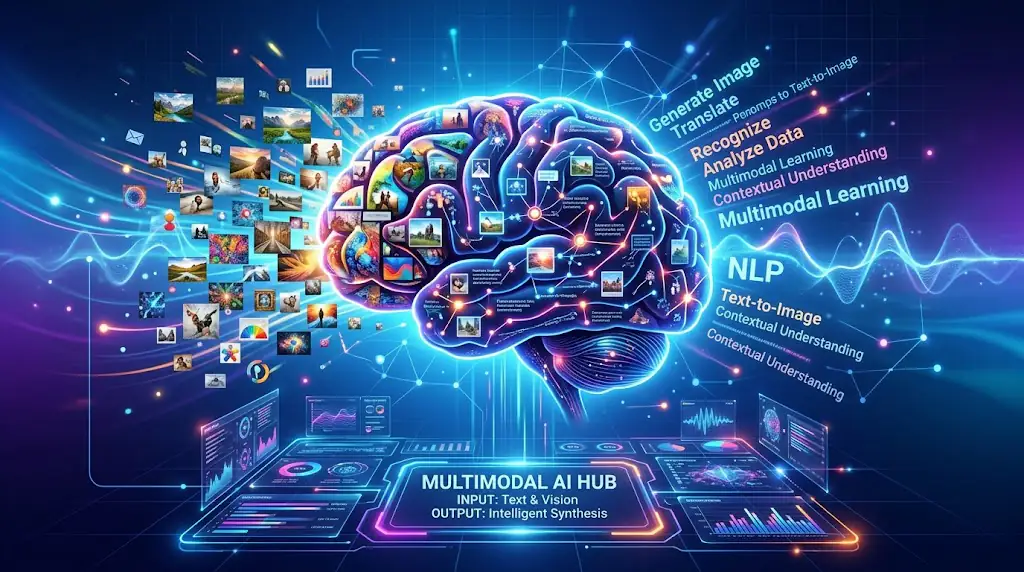
GPT-4o Image is OpenAI's native multimodal generation capability built directly into the GPT-4o model — not a bolt-on diffusion pipeline. This integration means the system actually understands your prompt before creating, resulting in visuals with correct text rendering, accurate spatial relationships, and coherent multi-subject compositions. Three quality tiers let you balance speed and detail, supporting resolutions up to 1536 pixels for professional-grade output across any creative workflow. Unlike traditional image generators that rely solely on pattern matching, this model leverages deep language understanding to interpret complex instructions, cultural references, and domain-specific terminology. The result is visuals that not only look photorealistic but also semantically accurate — text renders correctly, objects appear in the right proportions, and compositional elements maintain logical relationships with one another throughout the entire generated scene.
GPT-4o Image Key Features
Discover what makes GPT-4o Image Generation stand out from other AI image models
GPT-4o Image Text Rendering Excellence
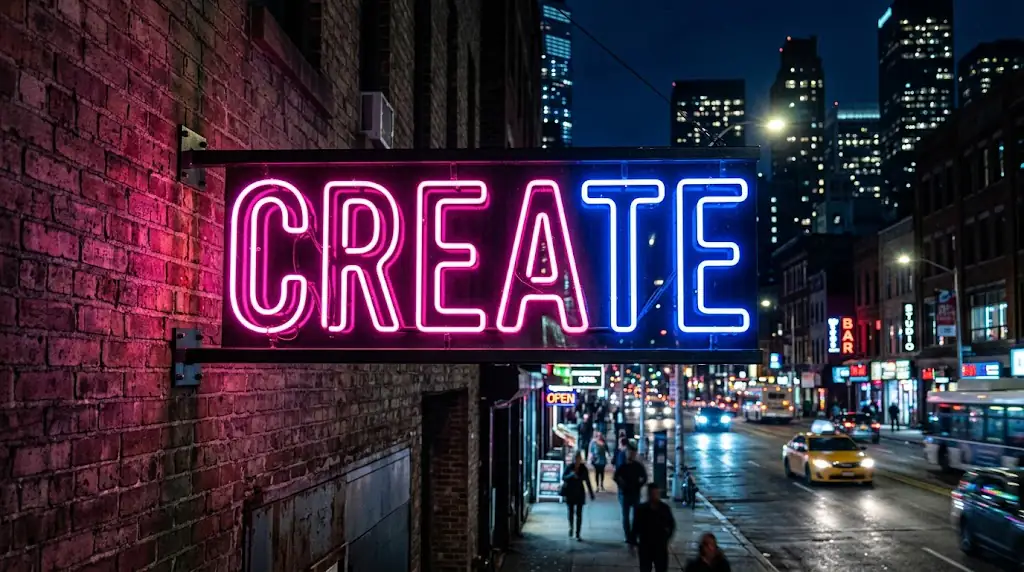
GPT-4o's multimodal intelligence enables contextual creation that goes far beyond simple text-to-visual conversion. The model understands semantic relationships between elements, producing visuals where every component serves the overall composition purposefully. Text labels render with correct spelling and typography, integrated naturally into signs, packaging, and documents within the generated scene. This contextual awareness means the model can generate a restaurant menu where dish names align with food descriptions, or a product label where ingredients match the visual appearance of the item, creating cohesive and believable compositions every time.
GPT-4o Image Style Transfer
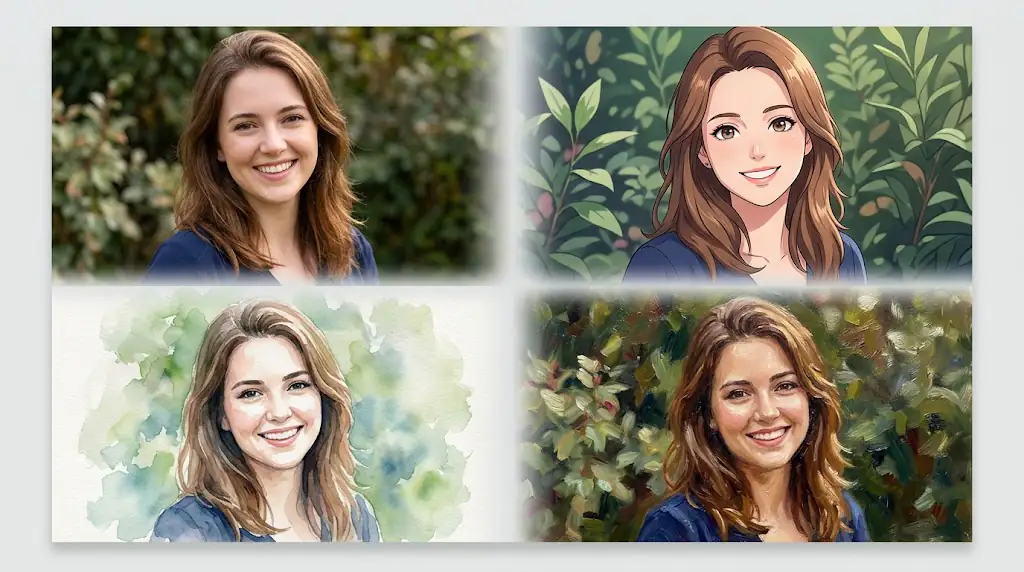
Leverage deep world knowledge to generate visuals that reflect accurate cultural references, historical details, and domain-specific terminology across professional fields. Whether depicting architectural blueprints, medical illustrations, or botanical diagrams, the model draws on a vast knowledge base to ensure factual accuracy and visual authenticity in every output. This knowledge integration means a prompt requesting a Renaissance-style painting will incorporate period-appropriate clothing, architecture, and color palettes, while a request for a modern data center will show realistic server racks, cable management, and lighting conditions that professionals in those fields would recognize as accurate.
Complex Prompt Adherence with GPT-4o Image
The model generates visuals with readable, correctly spelled text elements integrated naturally into the composition. Unlike traditional generators that produce garbled characters, this multimodal approach treats text as a first-class element — headlines on posters, labels on products, and captions within infographics all render with professional clarity and appropriate font styling. This capability extends to multilingual text rendering, supporting Latin, Cyrillic, CJK, and Arabic scripts with proper typographic conventions. Designers can request specific font weights, text alignment, and hierarchical layouts, receiving output that matches their typographic specifications with remarkable consistency.
When to Choose GPT-4o Image Generation
This model excels when visuals need to be not just appealing but semantically accurate and contextually appropriate. The native multimodal architecture reasons before creating, delivering results that understand meaning, cultural context, and communicative intent — not just surface-level aesthetics.
Brand & Marketing Design
Educational content creators can generate accurate, informative illustrations that enhance learning materials, textbooks, and online courses. The model's ability to render labeled diagrams, scientific visualizations, and step-by-step instructional graphics makes it invaluable for creating content that improves comprehension and retention across all age groups and skill levels. From annotated biological cell structures for biology textbooks to historical timeline infographics for social studies curricula, educators can produce publication-quality visual aids that would traditionally require a professional illustrator or hours of manual graphic design work.
Photo-to-Illustration Conversion
Marketing teams can create contextually appropriate visuals for diverse campaigns and audiences across global markets. Cultural intelligence ensures generated imagery respects regional aesthetics, seasonal themes, and brand guidelines simultaneously. Produce social media graphics, banner advertisements, and email headers that maintain visual consistency while adapting to different platforms and cultural contexts. Campaign managers particularly value the ability to generate multiple visual variants from a single brief, enabling rapid A/B testing across demographics while ensuring each version communicates the core message with cultural sensitivity and visual appeal.
UI Mockups & Design Prototypes
Technical writers and documentation teams can generate precise diagrams, flowcharts, and visual explanations to accompany written procedures and specifications. Create annotated screenshots, architectural overviews, and process maps that clarify complex systems, reducing support tickets and onboarding time for both internal teams and external users. Software documentation teams report significant time savings when generating architecture diagrams, API flow illustrations, and user journey maps, as the model correctly renders component relationships, data flow arrows, and hierarchical structures that accurately represent the underlying technical architecture.
Creative Content Production
Creative professionals can use this tool as a thinking partner for visual ideation, generating unexpected combinations and compositions that spark new directions. Explore multiple visual concepts rapidly during brainstorming sessions, then refine the strongest directions into polished deliverables for client presentations, editorial layouts, and digital campaigns. Art directors appreciate the model's ability to maintain stylistic consistency across a series of variations, enabling exploration of different color palettes, compositional approaches, and mood treatments while preserving the core creative concept throughout the iterative design process.
How to Use GPT-4o Image Generation
Create contextually intelligent images with GPT-4o by following this simple three-step process that leverages the model's deep understanding.
1. Describe What You Need
Describe your visual in natural language — the model understands context and nuance better than most generators. Write complete sentences specifying subject matter, composition, mood, color palette, and any text elements you need included. Mention spatial relationships explicitly for best results, such as positioning subjects in specific areas of the frame. The more descriptive and specific your instructions, the more accurately the output will match your creative vision. You can reference artistic styles, cultural motifs, or specific design conventions, and the model will incorporate them with contextual accuracy rather than surface-level pattern matching.
2. Refine Your Request
Select your output preferences including aspect ratio, style, and quality settings. Multiple aspect ratios and three quality tiers are available to balance speed and fidelity based on your project requirements. Choose high quality for final deliverables and standard quality for rapid prototyping, concept exploration, or internal review cycles. The quality tier affects rendering detail, text clarity, and compositional refinement — high tier produces publication-ready visuals with crisp typography and subtle lighting effects, while standard tier delivers clean, usable output at approximately twice the generation speed for iterative workflows.
3. Download and Use
Generate your visual and review the results. The model typically produces highly relevant output that matches your creative direction on the first attempt, significantly reducing the iteration cycles common with traditional image generators. Download the finished file in your preferred format, or iterate by adjusting the prompt to fine-tune specific elements like color balance, text placement, or compositional emphasis. When iterating, reference what you liked about the previous output and specify only the changes you want — the model maintains context between generations, making progressive refinement intuitive and efficient for professional workflows.
Superior text rendering and style transfer capabilities compared to FLUX.2 Pro and other leading models. The native multimodal architecture reasons before creating, producing visuals with correct spelling, consistent layouts, and accurate spatial relationships that standalone diffusion models struggle to achieve.
Unlike standalone diffusion models, this tool handles complex multi-subject prompts with significantly greater accuracy and compositional coherence. It can place five distinct objects in specified positions while maintaining correct lighting, shadows, and perspective across all elements simultaneously.
Significantly surpasses DALL-E 3 in text rendering accuracy, prompt adherence, and style transfer quality through integrated multimodal reasoning. Designers report that iteration cycles decreased by over forty percent when switching, because the initial output typically requires fewer revisions to meet professional standards.
GPT-4o Image Is Best For
Learn where GPT-4o Image Generation's contextual intelligence and world knowledge create the most impactful visual content.
Text-Heavy Visual Content
Ideal for educational and informational content where visuals need to accurately represent complex concepts with labeled elements and precise terminology. Deep understanding of domain-specific vocabulary ensures scientific diagrams, technical illustrations, and instructional graphics all maintain factual accuracy while remaining visually engaging for learners at every level, from primary education materials to advanced university textbooks and professional certification training resources.
Complex Multi-Subject Compositions
Perfect for multilingual content teams creating visual materials for diverse campaigns across global markets and regional audiences. Cultural intelligence ensures generated imagery respects regional aesthetics, seasonal themes, and brand guidelines simultaneously, enabling consistent visual communication across multiple languages and cultural contexts without maintaining separate design workflows or hiring specialized local illustrators for each target market and demographic segment.
Style Transfer and Adaptation
Excellent for data visualization and infographic creation where visuals need to communicate complex information clearly and accurately. Generate charts, diagrams, and information graphics with properly rendered labels, legends, and annotations that maintain readability at any display size — from mobile screens to large-format presentations, printed posters, and trade show display materials requiring crisp, legible text at scale, from mobile screens to large-format conference presentations and printed posters requiring crisp, legible text at any display scale.
Pro Tips for GPT-4o Image
Strategies for leveraging GPT-4o's unique multimodal intelligence to generate contextually accurate and culturally informed images.
#1Specify Text Content Precisely
Write conversational, context-rich prompts that explain the purpose and audience of your visual content in detail. The model responds uniquely to detailed instructions — instead of requesting a generic landscape, describe the time of day, weather conditions, specific vegetation types, and the emotional tone you want to evoke for maximum creative control. Including information about the intended use case helps the model tailor compositional choices to match your publishing platform and target demographic.
#2Describe Spatial Relationships
Leverage world knowledge by referencing specific cultural, historical, or scientific details in your prompts for more accurate and authentic results. Results are significantly more precise when you provide concrete references rather than vague descriptions — mentioning particular architectural styles, art movements, or scientific phenomena produces visuals with authentic details that demonstrate genuine domain understanding and factual accuracy across specialized professional fields.
#3Use Reference Images for Style Matching
Request specific text labels and annotations within your visuals for educational and informational content that requires clear identification of components. The model can render numbered callouts, captioned diagrams, and labeled components with correct spelling and appropriate font sizing, making it an effective tool for creating technical documentation, instructional materials, scientific posters, and educational resources where visual clarity directly impacts learning outcomes.
#4Request Specific Quality Tiers
Use the three quality tiers strategically for different stages of your creative workflow to optimize both time and cost. Low tier for rapid brainstorming and exploring multiple concepts quickly during early ideation, standard for internal reviews and stakeholder previews during the refinement phase, and high for client-facing deliverables and final publication. This tiered approach ensures you invest computational resources proportionally to the stage of your production pipeline.
GPT-4o Image Gallery
Explore real examples generated with GPT-4o Image — demonstrating contextual intelligence, text rendering accuracy, and multi-subject compositional understanding.
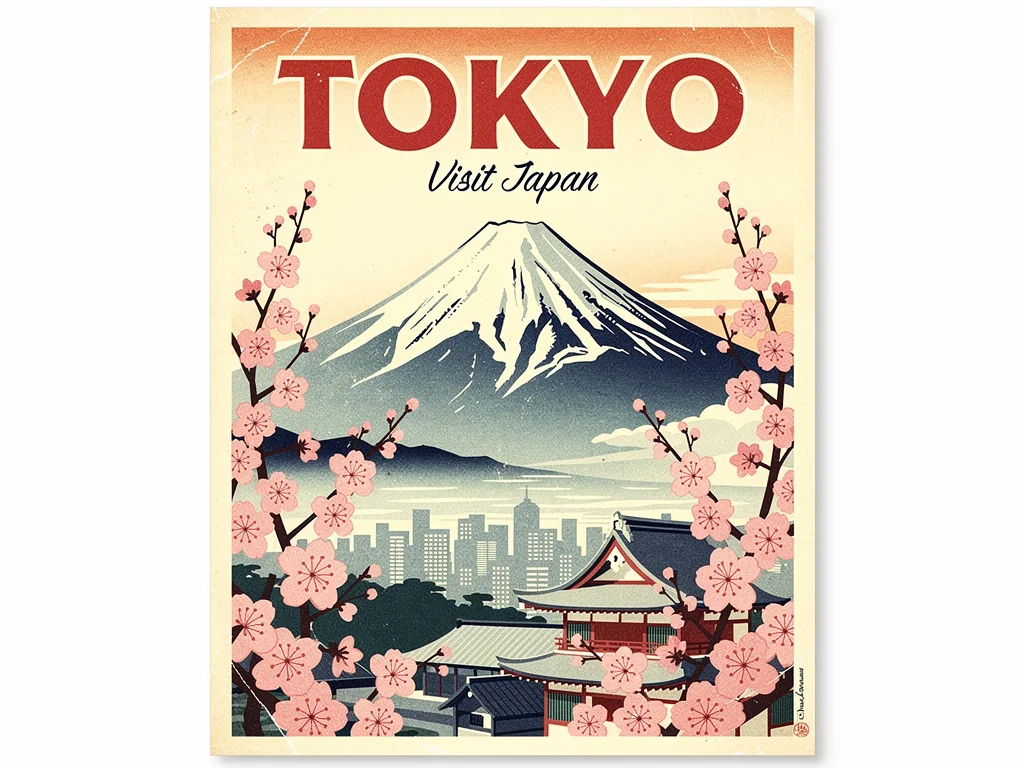
"A vintage travel poster for Tokyo, featuring a stylized Mount Fuji with cherry blossoms, bold typography reading TOKYO in red, ukiyo-e inspired art style, retro color palette."
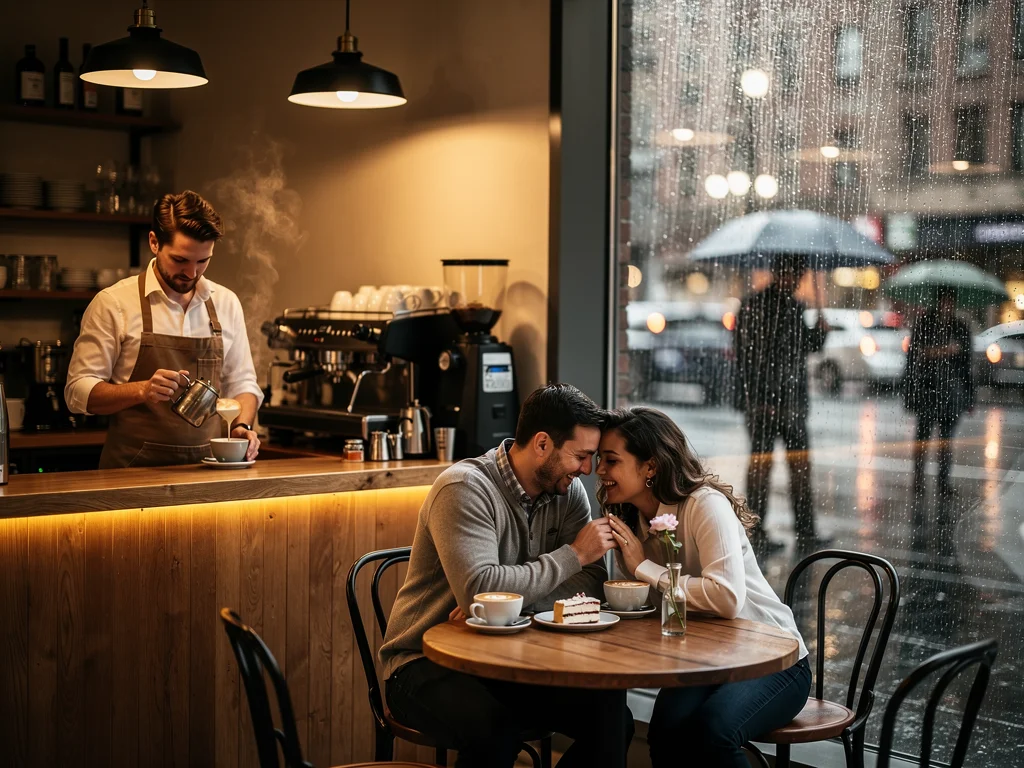
"A cozy coffee shop interior with a barista pouring latte art on the left, a couple sharing dessert at a round table in the center, and rain visible through the large window on the right, warm lighting."
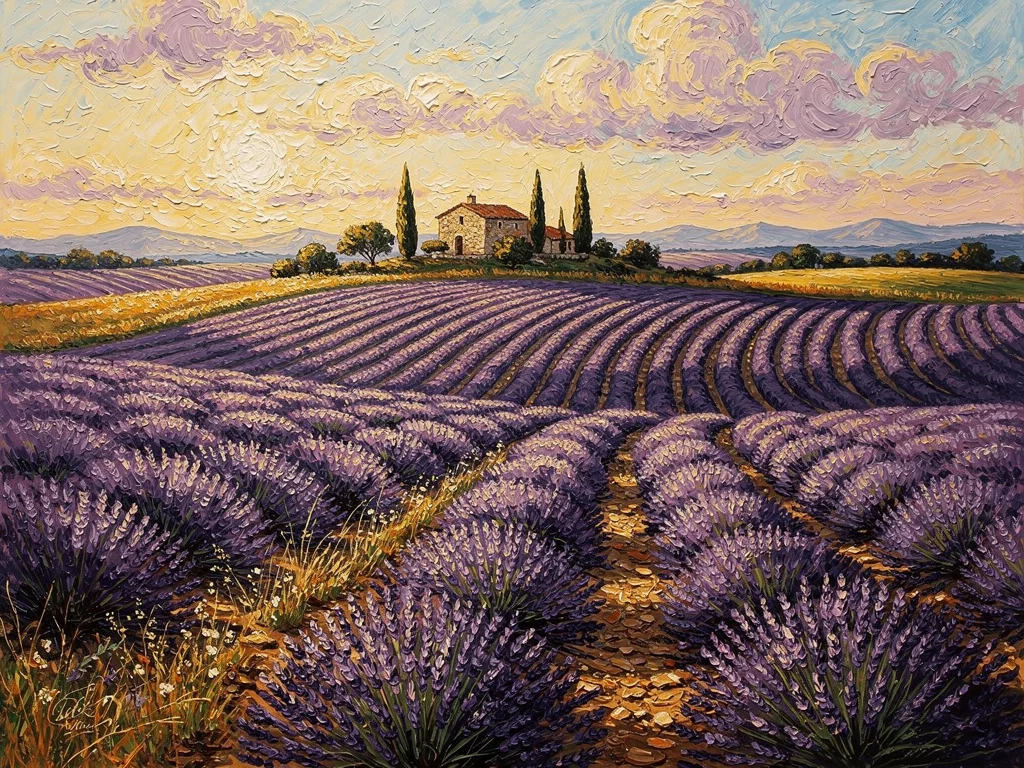
"A serene landscape of lavender fields in Provence, France, transformed into a thick impasto oil painting style reminiscent of Van Gogh, visible brushstrokes, vibrant purple and gold tones."
Explore More AI Tools
Discover related AI tools and models
Text to Image Generator
Generate stunning images from text descriptions with top AI models.
Imagen 3
Google DeepMind's photorealistic diffusion model.
FLUX.2 Pro
Professional-grade image generation with multi-reference editing and 4MP output.
Ideogram V3
Industry-leading text rendering and typography in generated images.